Regional Details
Wye Valley
The Wye Valley is a designated Area of Outstanding Natural Beauty in recognition of:
- Exceptional landscape – dramatic limestone gorge and some of the most outstanding native woodlands to be found in Europe
- Impressive geology – from Silurian limestones to a plateau of Old Red Sandstone
- Historic legacies – Iron Age hill forts, Norman Castles, the first Cistercian Abbey in Wales and a pioneering industrial heritage in iron, brass, wire, tinplate and copper works.
- Wildlife – a quarter of Britain’s population of lesser horseshoe bats, a growing population of Peregrine falcons, goshawks, ravens, rare whitebeam, nightjar and lesser known fish like the shad and twaite.
Villages in the area include Goodrich overlooked by its impressive castle and the riverside settlements of Symonds Yat, Redbrook, Brockweir, Llandogo and Tintern with its wonderful Abbey.
The stunning landscapes and spectacular scenery have inspired artists and writers such as William Wordsworth, JRR Tolkien, Dennis Potter and JK Rowling as well as the many visitors who return every year.
Wildlife in the Forest of Dean
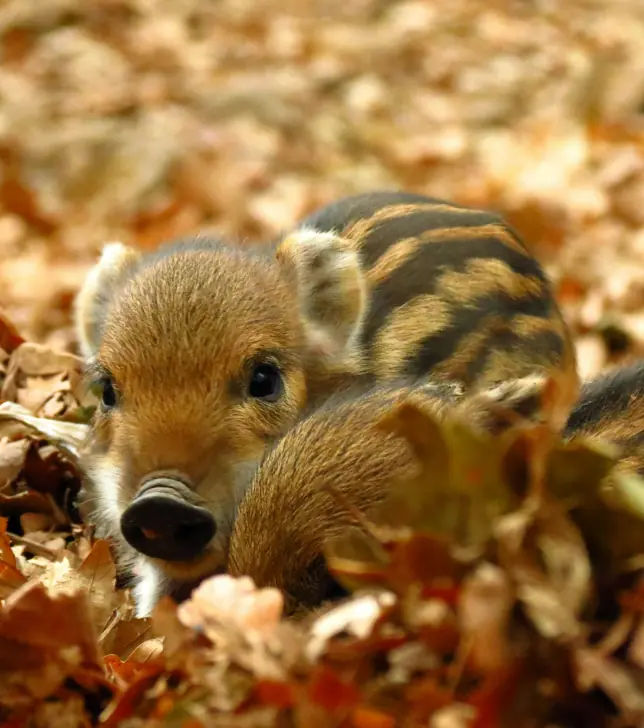
The Forest of Dean supports diverse habitats and wildlife, including woodland birds, raptors like buzzards and goshawks, and river species such as kingfishers and dippers. Notable birds include flycatchers, redstarts, and hawfinches.
Mammals include deer, foxes, badgers, bats, and dormice. The forest is especially known for wild boar, often seen at dawn or dusk, as well as reintroduced species like pine martens and beavers, making it a rich area for wildlife observation.
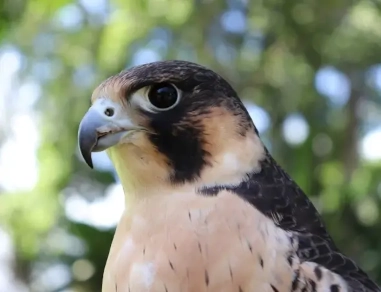
Peregrine falcon
Symonds Yat Rock viewpoint is well known as one of the best, if not the best site to watch Peregrine Falcons. Chat to the birders there and they may let you watch through their binoculars.
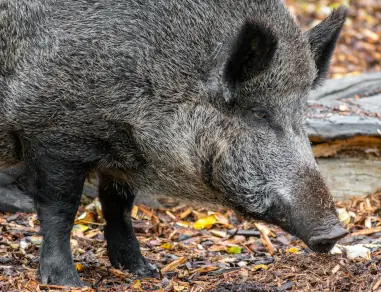
Wild boar
There is a large population of wild boar throughout the Forest of Dean. Signs of their presence are everywhere, but actually finding the boar themselves can be challenging.
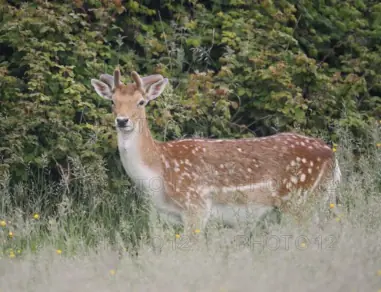
Fallow deer
There are three species of deer to look out for in the Forest of Dean and Wye Valley: the fallow, roe and muntjac. The fallow, introduced during the Norman times, is the most commonly seen.
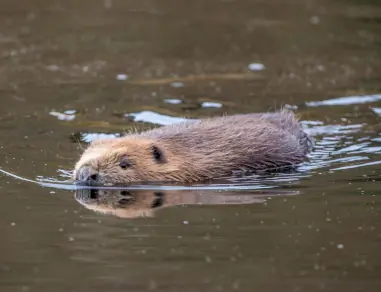
European beaver
There are two beaver enclosures in the Forest of Dean: Greathough Brook and Perry Hay. You will be unlikely to see them but you will see the evidence of them building dams.